

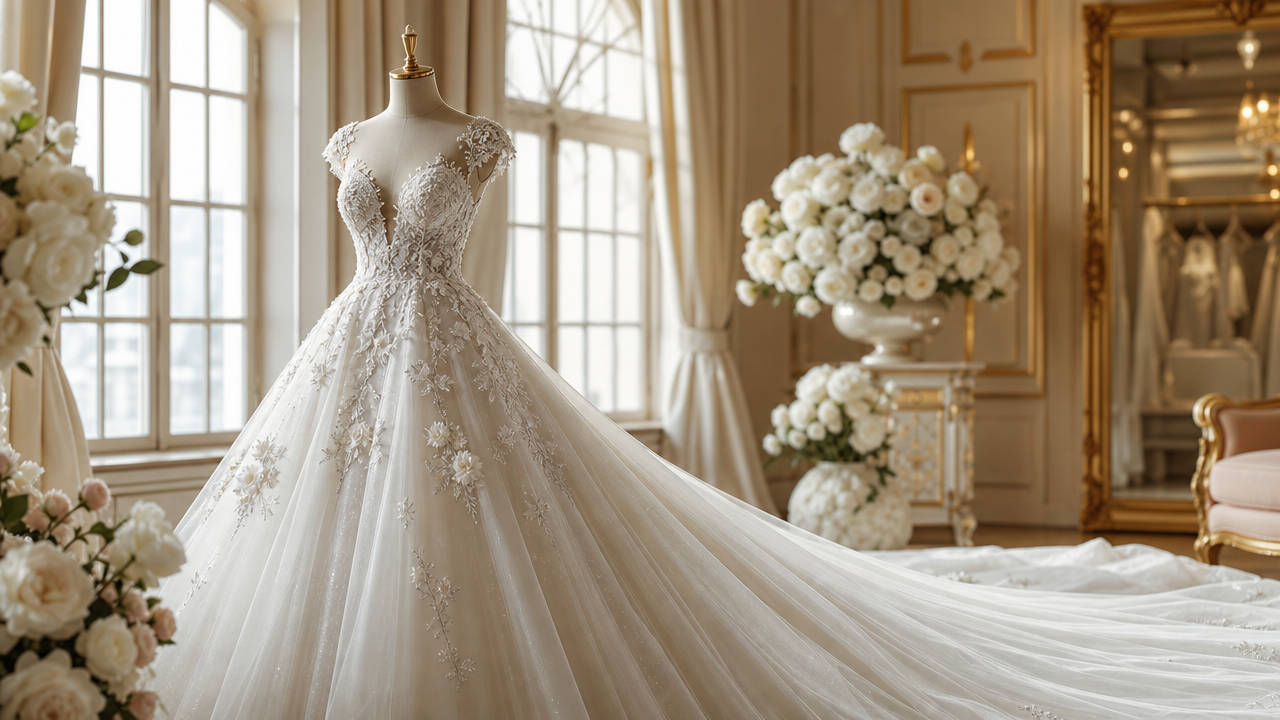
Mallika ThaiDress’s Premium
Wedding Dress Alteration Experience
From fully beaded one-shoulder mermaid gowns and 3D floral lace A-line dresses to classic structured ball gowns — this is our standard of work across every silhouette with intricate detailing.
This article is part of the knowledge cluster under Why Wedding Dress Alterations Require Specialized Experts. If earlier articles explained the principles and risks in theory, this one shows the actual gown silhouettes our team is familiar with and has specialized standards for handling — to show how those principles apply to each shape.
When Beadwork Sewn Onto Sheer Mesh Had to Line Up Perfectly After Taking In the Waist
A bride brought in a one-shoulder mermaid gown, fully hand-beaded with crystals across sheer illusion mesh, asking for the waist to be taken in. The challenge with this silhouette is that the beading pattern is hand-sewn bead by bead in a continuous flow along the curve of the mermaid shape. A standard side-seam alteration would break that pattern immediately, and the extremely sheer mesh underneath carries a high risk of tearing if a sewing machine passes through an area dense with beads.
Our team instead hand-removed the beads along the seam line to be altered, one at a time, took in the mesh seam to the desired fit, then hand-sewed every bead back into its original continuous flow. The result: a genuinely more fitted mermaid silhouette, with the beading pattern still flowing seamlessly, with no visible break anywhere.
Three Premium Silhouettes Our Team Regularly Handles
Each wedding dress silhouette presents entirely different technical challenges. Our team adapts its approach specifically for each one:
- Mermaid gowns beaded over sheer mesh — must preserve the continuity of beading along the curve of the silhouette, while working carefully around delicate, easily torn mesh
- Off-shoulder A-line gowns with 3D floral lace appliqué — raised fabric flowers must be planned around so seams don’t run through them, while maintaining balance on an off-shoulder neckline with no strap support
- Classic structured ball gowns with layered skirts — managing the weight of multiple layered tulle skirts, and keeping the full, voluminous silhouette balanced rather than leaning to one side
What connects all three: the most exquisite details on a gown are usually also the most delicate points to alter — the more elaborate the detailing, the more care an alteration requires.
How We Assess Each Silhouette Before Planning an Alteration
Before touching any premium gown, our team assesses in this sequence:
Identify the silhouette and its main load-bearing points
A mermaid carries weight differently from an A-line, and a ball gown’s skirt weight is different from both — this must be understood before planning.
Map every position of beading, lace, or 3D floral detail
Sketch out roughly where every embellishment sits, to plan seams that won’t overlap those points.
Test the sheerness and strength of the base fabric
Especially sheer mesh or delicate lace — know the limit before running a machine needle through it.
Plan the sequence of removing and reattaching detailing
Calculate how many beads or lace points need removing before altering the seam, and in what order to reattach them for the cleanest result.
Which Premium Work We Take on Immediately, and What Needs More Discussion
Even with deep familiarity with all three silhouettes, not every job can be accepted immediately without assessment:
✅ Can be assessed and planned right away
- The silhouette matches our team’s direct experience (mermaid, A-line, or ball gown)
- The alteration point doesn’t overlap heavily with dense beading or floral clusters
- The base fabric is still strong, with no unusual signs of fragility
- The client understands and accepts any limitations that may exist
⚠️ Needs an in-person assessment and further consultation first
- The alteration point sits right in the middle of dense beading or 3D floral detail
- The base fabric is sheer mesh or delicate lace showing signs of fragility
- The silhouette is unfamiliar or combines multiple structural styles
- The garment’s value is high enough to require especially thorough risk assessment
A simple rule that always applies: the closer an alteration point sits to intricate detailing, the more thoroughly it deserves to be planned.
The Limitations of Premium Alteration Work by Silhouette
Even with deep experience, some categories of premium work carry limitations that need to be stated honestly:
- Some beads or crystals may not have a replacement available that matches the original exactly in color and size
- Torn sheer mesh is often difficult to repair seamlessly, even with the most careful technique
- Work requiring extensive removal and reattachment of detailing may take longer than a client initially expects
Our team always communicates these limitations to clients in advance, rather than promising results we can’t actually deliver.
“The details that make a gown most beautiful are usually also its most delicate points to alter.” — Mallika Thaidress
Our Standard for Working With Premium Gowns
Whenever we take on premium gown work of any silhouette, our team always follows this sequence:
Study the garment’s construction and detailing before planning
Understand how this silhouette carries weight and distributes force before touching the target area.
Carefully hand-remove any detailing blocking the seam
Remove beads or lace point by point with care, never pulling or cutting in a way that risks damaging the base fabric.
Alter the seam as planned, then hand-sew detailing back
Arrange beads or lace back into their original continuous flow, with no visible break in the pattern.
Compare the result against original condition before delivery
Carefully compare before-and-after to confirm the gown’s original beauty remains fully intact.
Examples of Premium Silhouettes Our Team Regularly Handles
Wedding dress silhouettes with intricate detailing each require a different kind of specialized understanding:
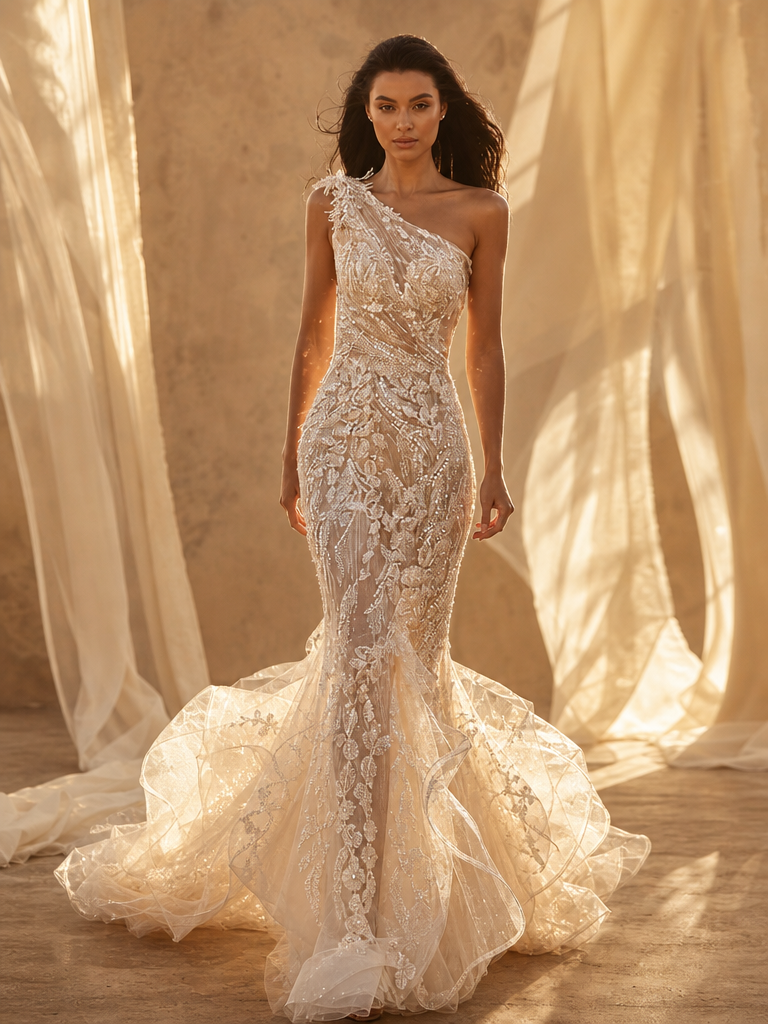
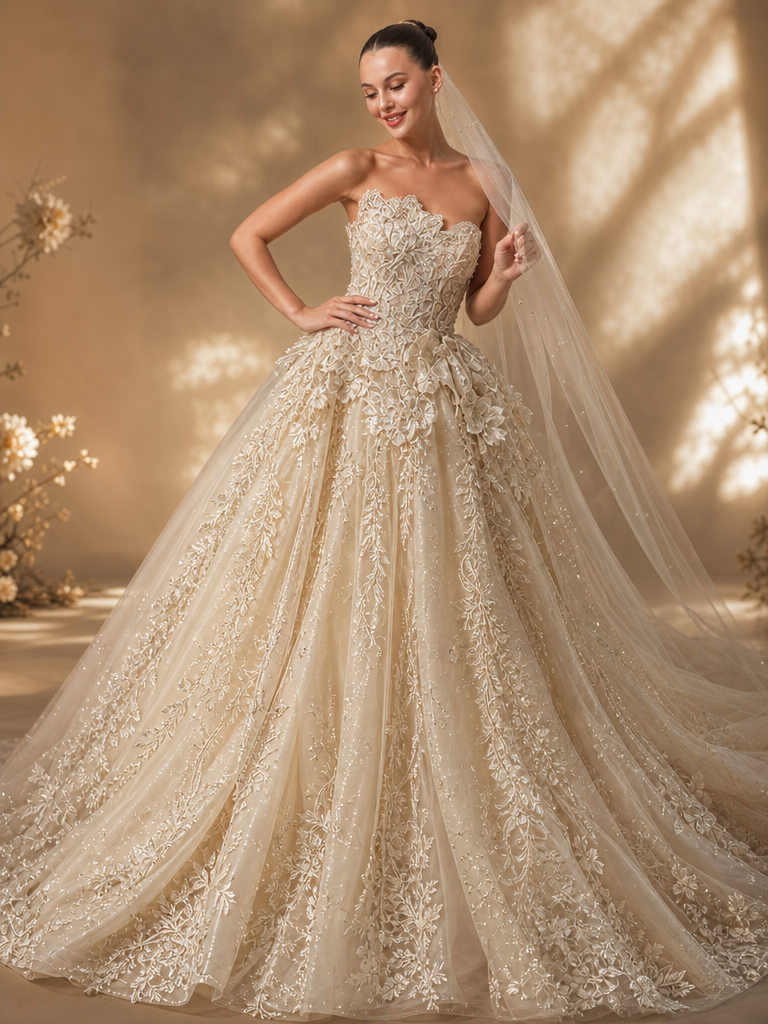
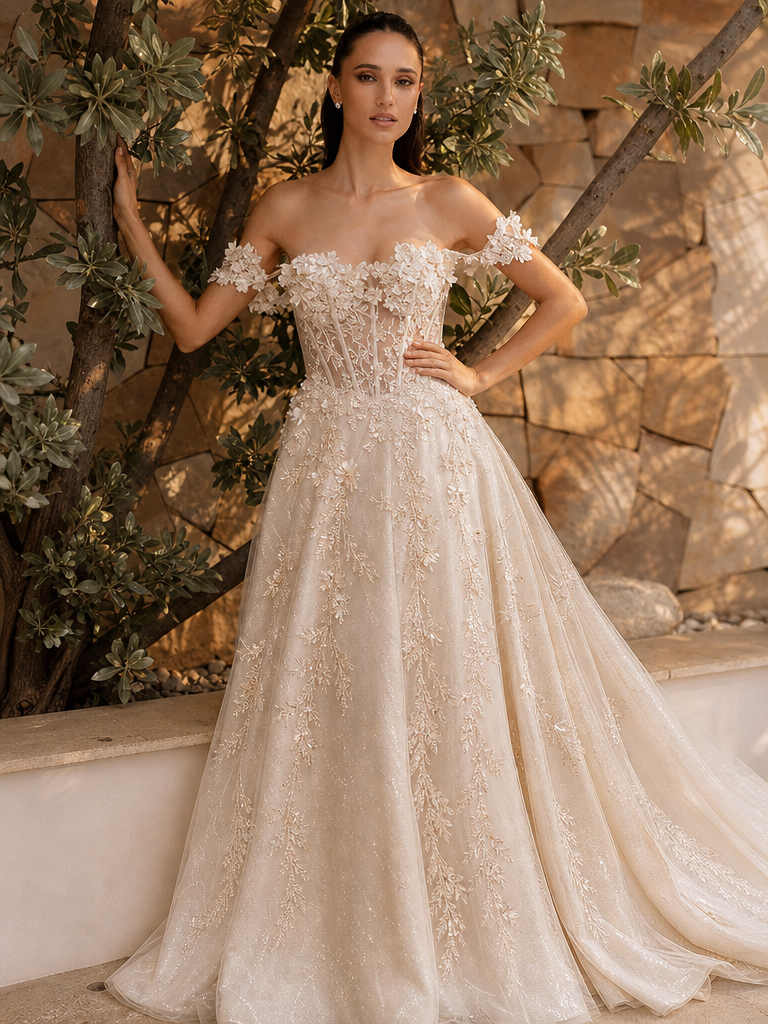
Examples of wedding dress silhouettes with specialized handling standards at Mallika ThaiDress — beaded mermaid, 3D floral lace A-line, and classic ball gown.
Mallika Thaidress’s Decision-Making Principle
Mallika Thaidress holds that garment alteration work should not begin with the question “can this be altered?” alone, but must start by assessing “would this alteration be safe for the structure, materials, silhouette, and value of the garment?”
When the risk of an alteration outweighs its benefit, recommending against it — or pausing to assess further — is just as much a part of professional standards as carrying out the work itself.
Mallika ThaiDress’s Premium Alteration Experience — Frequently Asked Questions
Why is altering a fully beaded mermaid gown especially difficult?
Because beading is usually hand-sewn bead by bead in a continuous flow along the curve of the silhouette. The alteration must remove and reattach beads so the pattern shows no break, while the sheer mesh underneath the beads is thin and tears easily.
Will 3D floral lace stay in its original position after an off-shoulder A-line gown is resized?
Our team plans the seam location to avoid overlapping raised, attached fabric flowers. If we do need to touch an area with floral detail, we remove and reattach it by hand so it stays exactly where it was.
Will a ball gown’s layered skirt stay symmetrically full after the waist is altered?
Our team recalculates the weight distribution of each tulle layer to balance with the new waist measurement, so the skirt remains fully symmetrical.
Can you still take on a gown with a mixed silhouette (like mermaid combined with A-line)?
Yes, but we’ll need an in-person assessment and to study the specific construction before planning, for the garment’s safety, since mixed silhouettes typically have more complex load-bearing points than a single-style gown.
What should I prepare before sending a premium gown for assessment?
Photograph the gown from every angle, including any dense beading, lace, or 3D floral areas, note the alteration you’d like, and share the silhouette or brand if known, so our team can prepare before the in-person appointment.
Whatever Silhouette Your Gown Is,
We Can Help
Send us photos for a free assessment before deciding. Whether it’s a mermaid, A-line, or ball gown, we’ll study its specific construction and give you an honest, safe recommendation.
📌 Woon Khiaozen Designer
Free consultation on garment repair and alteration · We reply every day