
This article is part of the Expert Dress Alteration Knowledge Center, which brings together essential principles, professional perspectives, and key considerations for altering all types of garments. It is designed to help readers understand the overall framework before making decisions about wedding dress alterations.
Designer Garments Are Built on Specialized Materials and Techniques
Designer garments are not created as ordinary clothing.
They are carefully engineered works of design, combining rare materials, specialized construction, and precise proportions.
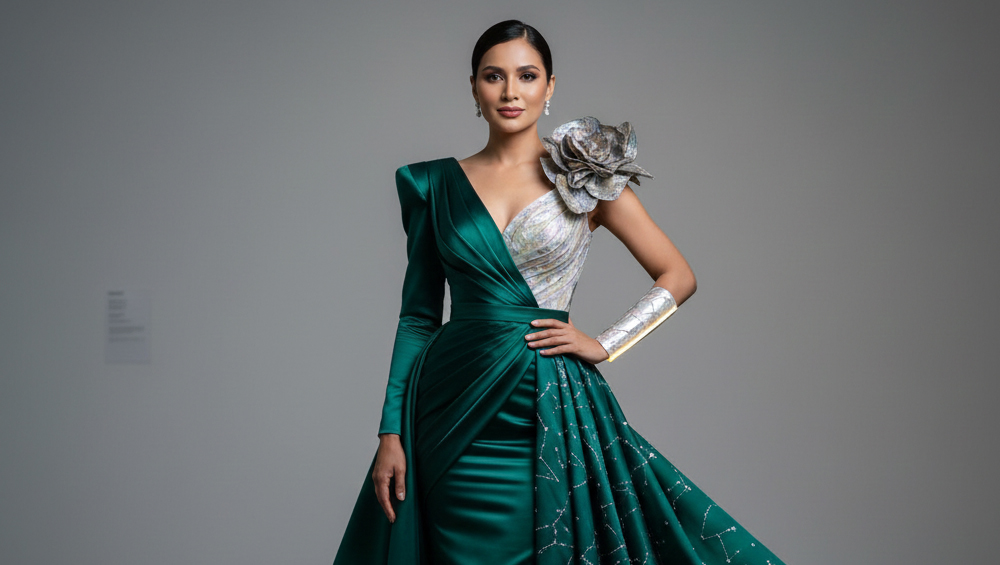
Many designer pieces use:
- Rare silks or custom-woven fabrics
- Organza, tulle, or specialty textiles
- Hand-treated, dyed, or coated materials
These fabrics often have limited tolerance for alteration, making standard tailoring techniques unsuitable.
Why Designer Fabrics Require Special Care
Designer fabrics may:
- Tear or distort under minimal tension
- React negatively to heat or pressure
- Lose surface texture when reworked
Once damaged, these materials cannot be replaced or restored.
Specialized Techniques Required for Designer Alterations
Professional designer garment alteration requires:
- Invisible stitching techniques
- Structural reinforcement without added bulk
- Weight redistribution that preserves silhouette
- Methods that allow reversibility when possible
This level of work demands deep material knowledge and hands-on experience.
Mallika ThaiDress’s Expertise
Mallika ThaiDress specializes in altering designer garments while preserving original materials, texture, and form—ensuring the garment remains true to its original design.
📌 Woon Khiaozen Designer
- 📩 Contact : Facebook Messenger
- 📞 Tel : +66 62-639-6195
- 📞 WhatsApp : +66 628263514
- 🔗 Line OA : @mallikathaidress
- 🎥 YouTube : @mallikathaidress
- 📖 Facebook : @mallikathaidress
- 🎵 Tiktok : @mallikathaidress
- 🌐 Website : www.mallikathaidress.com
- English Version : https://en.mallikathaidress.com
- Chinese version : https://cn.mallikathaidress.com
- Click Blog
Why Designer Garments Require Specialized Alteration Techniques
Why do designer garments require specialized alteration techniques?
Designer garments incorporate complex internal structures, precise proportions, and sensitive materials that can be permanently compromised by standard alteration methods.
How are designer garment fabrics different from regular fabrics?
Designer fabrics are often delicate, have limited tolerance for stress, and may not withstand repeated unpicking or re-stitching without visible damage.
What are the risks of altering designer garments incorrectly?
Incorrect alteration can result in permanent fabric surface damage, structural collapse, distorted silhouettes, and irreversible loss of garment value.
What defines a safe boundary for altering designer garments?
Safe boundaries are alterations that preserve core structure, respect original design lines, and do not compromise the garment’s long-term integrity.
How do experts decide whether to accept or decline a designer garment alteration?
Experts evaluate structural stability, reversibility, design impact, and long-term consequences before prioritizing fit adjustments or short-term preferences.