This article is part of the Expert Dress Alteration Knowledge Center, which brings together essential principles, professional perspectives, and key considerations for altering all types of garments. It is designed to help readers understand the overall framework before making decisions about wedding dress alterations.
Designer Garments Can Appreciate in Value
Many designer and luxury garments gain value over time, especially when they are rare, discontinued, or represent significant periods in a brand’s history.
Alterations therefore affect not only fit—but long-term value.
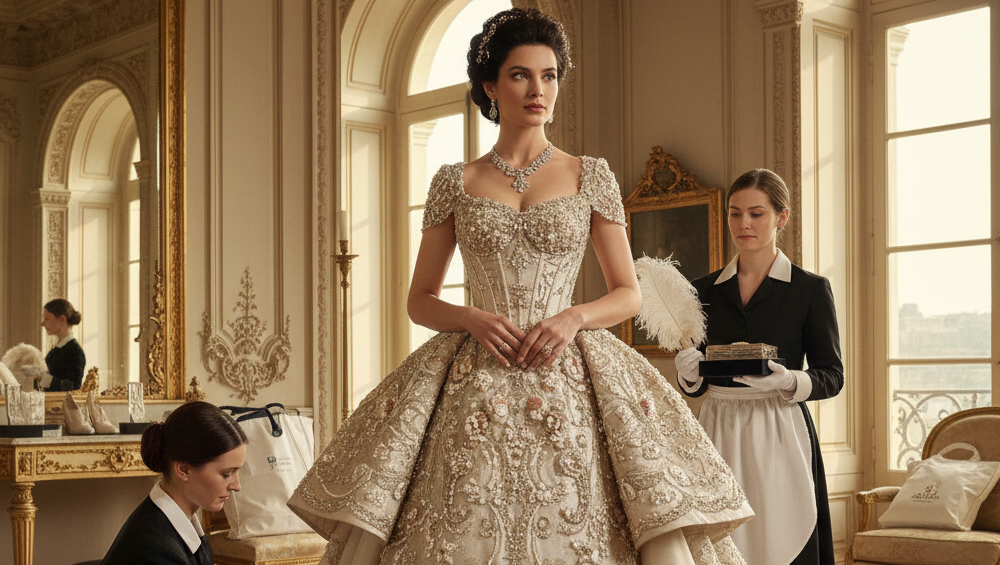
How Alterations Can Increase or Destroy Value
Proper alterations preserve original proportions and construction.
Incorrect alterations permanently change design integrity, reducing resale and collectible value—even if the garment remains wearable.
Key Principles for Preserving Value During Alteration
- Preserve original patterns and proportions
- Avoid irreversible structural changes
- Use techniques compatible with original materials
- Alter minimally with maximum precision
- Consider long-term ownership and resale potential
Mallika ThaiDress’s Garments During Alterations Value-Preservation Approach
Mallika ThaiDress evaluates designer garments as long-term assets, choosing alteration methods that protect both wearability and future value.
📌 Woon Khiaozen Designer
- 📩 Contact : Facebook Messenger
- 📞 Tel : +66 62-639-6195
- 📞 WhatsApp : +66 628263514
- 🔗 Line OA : @mallikathaidress
- 🎥 YouTube : @mallikathaidress
- 📖 Facebook : @mallikathaidress
- 🎵 Tiktok : @mallikathaidress
- 🌐 Website : www.mallikathaidress.com
- English Version : https://en.mallikathaidress.com
- Chinese version : https://cn.mallikathaidress.com
- Click Blog
Frequently Asked Questions (FAQ): Preserving Garment Value During Alterations
Can alterations affect the value of designer and luxury garments?
Yes. Alterations directly influence garment value; appropriate methods can preserve value, while incorrect or irreversible changes may permanently reduce it.
Which alteration factors most strongly impact long-term garment value?
Key factors include interference with hidden structure, modification of original patterns and proportions, and the use of techniques incompatible with the garment’s materials.
What defines a value-preserving boundary during alteration?
Value-preserving alterations avoid cutting core structures, maintain original design proportions, and remain reversible without leaving permanent traces.
Why can non-specialist alterations reduce the value of designer garments?
Non-specialists may lack understanding of structural logic, design intent, and brand value, leading to alterations that unintentionally diminish long-term worth.
How do experts decide whether an alteration will preserve garment value?
Experts assess structural impact, reversibility, material behavior, and long-term value implications rather than focusing solely on immediate fit or appearance.