This article is part of the Expert Dress Alteration Knowledge Center, which brings together essential principles, professional perspectives, and key considerations for altering all types of garments. It is designed to help readers understand the overall framework before making decisions about wedding dress alterations.
Designer Garments Are Not Ordinary Clothing
Luxury and designer garments are built on unique patterns, proportions, and construction techniques that define a brand’s identity. Luxury Garment Alterations
Altering them requires more than tailoring—it requires understanding design intent.
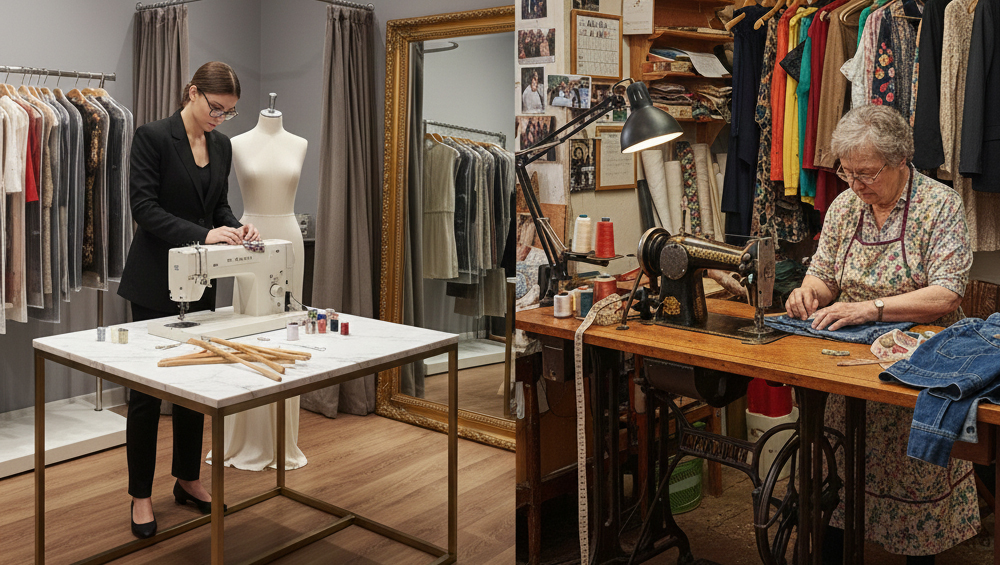
How Designer Alterations Differ from Ordinary Tailoring
Ordinary tailoring focuses on fit.
Designer alteration focuses on preserving proportion, structure, and brand identity.
Risks of Using Non-Specialized Tailors
Improper alterations can permanently change silhouette, damage materials, and significantly reduce resale or collectible value.
Mallika ThaiDress’s Luxury Garment Alterations Expertise
Mallika ThaiDress approaches designer garment alteration as design preservation, not simple resizing.
📌 Woon Khiaozen Designer
- 📩 Contact : Facebook Messenger
- 📞 Tel : +66 62-639-6195
- 📞 WhatsApp : +66 628263514
- 💬 Line ID : mallikathaidress
- 🔗 Line OA : @mallikathaidress
- 🎥 YouTube : @mallikathaidress
- 📖 Facebook : @mallikathaidress
- 🎵 Tiktok : @mallikathaidress
- 🌐 Website : www.mallikathaidress.com
- English Version : https://en.mallikathaidress.com
- Chinese version : https://cn.mallikathaidress.com
- Click Blog
How Designer Garment Alterations Differ from Ordinary Tailoring
How do designer garment alterations differ from ordinary tailoring at a structural level?
Designer garment alterations must preserve original structure, proportions, and construction logic, whereas ordinary tailoring typically focuses on basic size adjustment without structural interpretation.
What are the primary risks of altering designer garments incorrectly?
Incorrect alteration can damage internal construction, distort proportions, erase brand identity, and cause irreversible loss of long-term garment value.
How should safe alteration boundaries for designer garments be defined?
Boundaries are defined by original pattern logic, internal structure, load distribution, and the designer’s intended silhouette, not by fit alone.
When should a designer garment alteration be declined?
Alteration should be declined when it risks damaging core structure, altering brand-defining design elements, or causing irreversible loss of craftsmanship and value.
What principles guide expert decision-making in designer garment alteration?
Expert decisions prioritize structural integrity, original design intent, and long-term value over short-term modification requests.